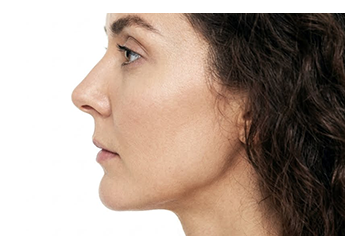
FACE LIFT
Rhytidectomy
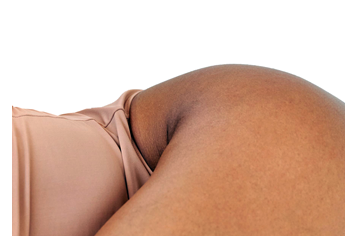
Implants for buttock augmentation can reshape, increase the volume, and lift the gluteus. This results in more harmonious buttocks, with the desired shape and volume, and a better and perkier appearance. Candidates for the Brazilian Butt Lift include those with flattened buttocks or small gluteus that is disproportionate in regards to corporal harmony. Trochanteric depressions (on the sides of the buttock) are other unfavorable aspects of the female gluteus that can be easily be corrected with fat injections. This makes the overall look of the bottom more round and feminine.
Calf implants will create cosmetic fullness in the lower leg and can help those men and women who, even after extensive muscular development, cannot achieve the desired calf muscle toning. Calf implants are best suited for lower leg sculpting, and can also correct muscle imbalance as a result of both physical and congenital defects.
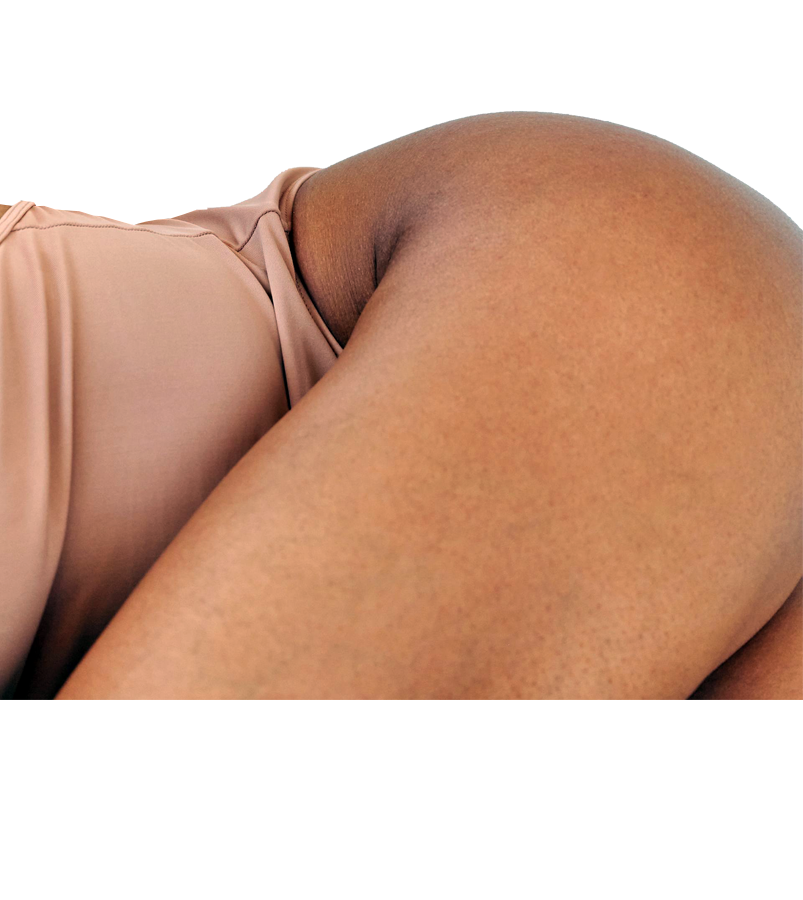
Buttock Augmentation typically involves a 4cm incision made between the midline of the buttocks where the silicone implant is inserted. Like breast implants, buttock implants come in different sizes and shapes. In general, these natural-feeling implants help round out the upper and outer parts of the buttocks, but not the lower parts. Buttock implantation is performed under epidural anaesthesia with sedation, and it is usually performed in two to three hours. Buttock implants cannot help shape the lower part of the buttocks, fat injections can. Fat will be removed from areas of the body where it is more plentiful (the flanks, hips, lower back, thighs or abdomen) with liposuction. This excess fat is then purified and re-injected it into your backside. Fat injections may also be used in other areas of the buttocks to sculpt, contour and project the buttocks. A full buttock plastic surgery using only fat grafting is called a Brazilian butt lift. In such cases, approximately 30 percent of the injected fat dissolves, meaning that the procedure may need to be repeated several months later.
Calf Implants enhance the shape and size of the calf muscles by placing soft, solid silicone implants in pockets overlying the existing gastrocnemius muscles. The calf muscle is a two-headed muscle (one head on the upper inside of the leg and the other on the upper outside of the leg) on the back of the leg that attaches on each side of the femoral bone just above the knee and extends down the leg ending as the Achilles tendon at the heel. These implants which may be one to each leg or two depending on the desired effect are placed through small incisions in the creases behind the knee. A person may desire to have only the inner head of the muscle enlarged, the outer head, or both. The result is that the existing musculature is made to appear larger and more defined. Calf Augmentation is performed under epidural anaesthesia with sedation, and it is usually performed in two to three hours.
Buttock augmentation - There can be some postoperative pain that is managed with medications. A compression garment is generally worn for six weeks to help prevent fluid build up and provide support during the healing process. Swelling may last for up to three months, and the full cosmetic results are visible within a year.
Calf Augmentation - Medication and ice packs may be used in the first few days to reduce discomfort and swelling. The first day or two the patient is in bed with legs elevated most of the time and may even walk around short distances. After two days the dressings are removed and the patient is encouraged to begin a more vigorous routine of walking around. The patient is usually back to full, unrestricted activities a month or two following surgery.
Rhytidectomy
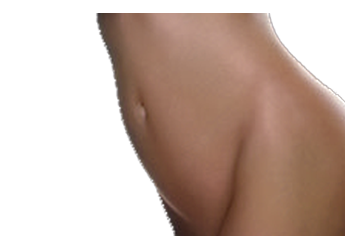
Abdominoplasty
Brachioplasty and Medial Thigh Lift
Facial Fat Grafting

Otoplasty
Augmentation Mammaplasty
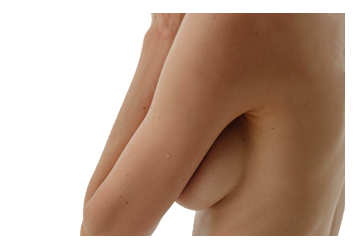
Reduction Mammaplasty
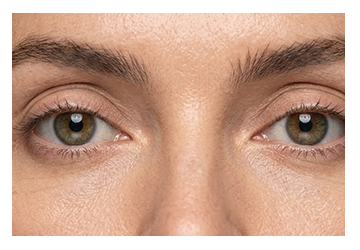
Blefaroplasty
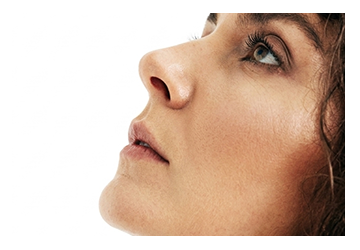
Rhinoplasty
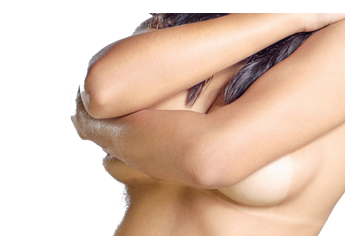
Mastopexy and Corrective Surgeries
Gynecomasty
Labiaplasty